Landscape Design: Crafting Nature's Canvas
Introduction
Brief overview of landscape design
Importance of a well-designed landscape
Key Elements of Landscape Design
Understanding the fundamentals
Balance and symmetry
Colour theory in landscaping
Texture and form
Planning Your Landscape Design
Assessing your space
Sun and shade considerations
Soil analysis
Identifying focal points
Choosing the Right Plants
Native plants vs. exotic plants
Seasonal variations
Low-maintenance options
Creating biodiversity
Hardscaping in Landscape Design
Incorporating pathways and structures
Materials and durability
Balancing softscapes and hardscapes
Sustainable Landscape Design Practices
Water conservation strategies
Eco-friendly materials
Energy-efficient lighting
DIY vs. Professional Landscape Design
Pros and cons of DIY landscaping
Benefits of hiring a professional designer
Budgeting for Your Landscape Design
Setting realistic budgets
Cost considerations for plants and materials
Long-term maintenance costs
Landscape Maintenance Tips
Regular pruning and trimming
Pest control without harming the environment
Seasonal adjustments and updates
Creating a Personalized Theme
Expressing your personality through design
Balancing trends and timeless elements
Case Studies in Landscape Design
Showcasing successful designs
Learning from common mistakes
The Impact of Landscape Design on Property Value
Real estate perspectives
Return on investment in landscaping
Embracing Technology in Landscape Design
Virtual reality tools for design visualization
Smart irrigation and lighting systems
Community and Social Aspects of Landscape Design
Public spaces and community engagement
The psychological benefits of green spaces
Conclusion
Summarising key takeaways
Encouraging readers to explore their own landscape design journey
Introduction
Landscaping isn't just about planting a few flowers; it's an art form that transforms outdoor spaces into breathtaking retreats. As we delve into the world of landscape design, let's explore the key elements that make a garden more than just a collection of plants.
Key Elements of Landscape Design
Understanding the Fundamentals
Creating a visually appealing landscape involves mastering the basics. Balance and symmetry lay the foundation, while colour theory and texture bring vibrancy and depth to your design.
Balance and Symmetry
In nature, balance is crucial. Imagine a garden that leans heavily on one side – it would feel chaotic and unsettling. Achieving balance doesn't mean mirroring every element but ensuring a sense of equilibrium.
Colour Theory in Landscaping
Colours evoke emotions, and your garden should be a palette that tells a story. Warm hues like reds and yellows energize, while cool blues and greens offer a calming effect. Thoughtful colour combinations can transform your outdoor space into a visual symphony.
Texture and Form
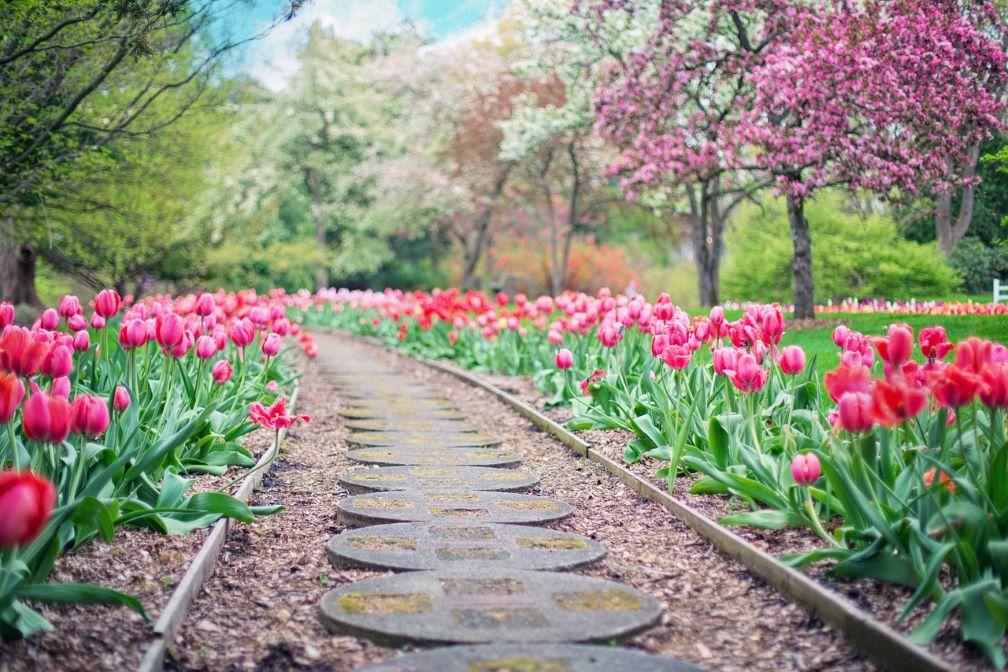
The interplay of different textures – the smoothness of a stone pathway, the roughness of bark, or the delicate petals of a flower – adds tactile richness. Meanwhile, diverse forms, from the towering elegance of a tree to the ground-hugging sprawl of groundcover, create visual interest.
Planning Your Landscape Design
Assessing Your Space
Before digging into the soil, understand your space. Consider sunlight exposure, soil quality, and identify focal points that can guide your design.
Sun and Shade Considerations
Plants have preferences, and understanding sunlight patterns is essential. Some thrive in the sun, while others prefer the cool embrace of shade. Design accordingly to ensure the health of your green companions.
Soil Analysis
Not all soil is created equal. Testing your soil's composition helps determine which plants will flourish and which might struggle. It's the first step in creating an environment where your garden can truly thrive.
Identifying Focal Points
Every garden needs a focal point – a centrepiece that draws the eye. It could be a majestic tree, a stunning sculpture, or a vibrant flower bed. Focal points anchor your design, giving it purpose and cohesion.
Choosing the Right Plants
Native Plants vs. Exotic Plants
Selecting plants involves more than personal preference. Consider the ecological impact – native plants often require less maintenance and support local ecosystems.
Seasonal Variations
A garden is a dynamic entity that changes with the seasons. Plan for year-round beauty by incorporating plants that bloom at different times, ensuring a continuous display of colours and textures.
Low-Maintenance Options
Not everyone has a green thumb, and that's perfectly fine. Opt for low-maintenance plants that add beauty without demanding constant attention.
Creating Biodiversity
A diverse ecosystem is a resilient one. Encourage biodiversity by including a variety of plants that attract different pollinators and contribute to a healthier environment.
Hardscaping in Landscape Design
Incorporating Pathways and Structures
Hardscaping provides the backbone of your landscape – the pathways, patios, and structures that give form to your vision.
Materials and Durability
Choosing the right materials ensures longevity and sustainability. Whether it's natural stone, pavers, or recycled materials, durability is key to a lasting design.
Balancing Softscapes and Hardscapes
While plants soften the landscape, hardscaping adds structure. Striking the right balance ensures a harmonious coexistence between the soft and hard elements of your design.
Sustainable Landscape Design Practices
Water Conservation Strategies
In an era of environmental consciousness, water conservation is paramount. Implement smart irrigation systems and choose drought-resistant plants to minimise water usage.
Eco-Friendly Materials
From recycled mulch to reclaimed wood, incorporating eco-friendly materials minimises your environmental footprint and adds character to your design.
Energy-Efficient Lighting
Extend the enjoyment of your outdoor space into the evening with energy-efficient lighting. Solar-powered lights or LED fixtures not only save energy but also enhance the ambiance.
DIY vs. Professional Landscape Design
Pros and Cons of DIY Landscaping
Embarking on a DIY landscaping project can be rewarding, but it's essential to weigh the pros and cons. Consider your time, skills, and the complexity of your design before picking up that shovel.
Benefits of Hiring a Professional Designer
Professional designers bring expertise and artistic vision to your project. They can navigate challenges, offer creative solutions, and ultimately, turn your dream landscape into a reality.
Budgeting for Your Landscape Design
Setting Realistic Budgets
Dream big but budget wisely. Establishing a realistic budget from the start helps prioritise elements and prevents financial headaches down the garden path.
Cost Considerations for Plants and Materials
Understanding the cost of plants, materials, and labour is crucial. Allocate funds based on your priorities, whether it's investing in high-quality plants or adding unique hardscape features.
Long-Term Maintenance Costs
A well-designed landscape isn't just an upfront investment. Factor in long-term maintenance costs to ensure your garden continues to flourish season after season.
Landscape Maintenance Tips
Regular Pruning and Trimming
Maintaining the beauty of your garden requires regular care. Pruning and trimming keep plants healthy and ensure a tidy, well-manicured appearance.
Pest Control Without Harming the Environment
Combatting pests doesn't have to come at the expense of the environment. Explore natural and eco-friendly pest control methods to protect your garden's delicate balance.
Seasonal Adjustments and Updates
As seasons change, so should your garden. Stay attuned to the needs of your plants and make seasonal adjustments to keep your landscape vibrant and healthy.
Creating a Personalised Theme
Expressing Your Personality Through Design
Your garden is an extension of your personality. Infuse elements that reflect your style, whether it's a whimsical cottage garden or a sleek, modern oasis.
Balancing Trends and Timeless Elements
While trends can inspire, timeless elements ensure your design stands the test of time. Strike a balance between contemporary trends and classic features for a design that remains relevant.
Case Studies in Landscape Design
Showcasing Successful Designs
Explore real-world examples of stunning landscapes. Case studies offer insights into effective design principles and the art of creating outdoor masterpieces.
Learning from Common Mistakes
Mistakes are part of the journey. Learn from common landscaping pitfalls to avoid potential challenges and setbacks in your own design adventure.
The Impact of Landscape Design on Property Value
Real Estate Perspectives
A well-designed landscape isn't just aesthetically pleasing; it can significantly impact property value. Understand how your outdoor space contributes to the overall value of your home.
Return on Investment in Landscaping
Investing in quality landscaping isn't just an expense; it's a smart investment. Discover how a thoughtfully designed landscape can provide a substantial return on investment.
Embracing Technology in Landscape Design
Virtual Reality Tools for Design Visualisation
Step into the future of landscape design with virtual reality tools. Visualise your project before a single plant is placed, ensuring every detail meets your expectations.
Smart Irrigation and Lighting Systems
Technology isn't just for indoor spaces. Smart irrigation systems and lighting bring efficiency and convenience to your outdoor oasis.
Community and Social Aspects of Landscape Design
Public Spaces and Community Engagement
Landscape design goes beyond personal spaces. Explore the impact of public green spaces on community well-being and the role of landscape design in fostering social connections.
The Psychological Benefits of Green Spaces
Nature has a profound impact on mental well-being. Dive into the psychological benefits of green spaces, from stress reduction to enhanced creativity.
Conclusion
As you embark on your landscape design journey, remember that it's not just about plants and pathways. It's about creating a living masterpiece that reflects your personality, contributes to the environment, and adds value to your property. Whether you choose to DIY or enlist professional help, the key is to enjoy the process and watch your outdoor space bloom.
FAQs (Frequently Asked Questions)
Do I need professional help for landscape design, or can I do it myself?
While DIY is an option, professional designers bring expertise and creativity to your project, ensuring a polished and well-executed design.
What are the benefits of incorporating native plants in my landscape?
Native plants are well-adapted to the local environment, requiring less maintenance, conserving water, and supporting local ecosystems.
How can I maintain a sustainable landscape design on a budget?
Opt for eco-friendly materials, implement water-saving strategies, and choose low-maintenance plants to create a sustainable design without breaking the bank.
What role does lighting play in landscape design?
Proper lighting extends the usability of your outdoor space into the evening, creating ambiance and highlighting key design elements.
Can landscape design really impact the value of my property?
Yes, a well-designed landscape can significantly enhance property value by improving curb appeal and creating an attractive outdoor living space.